Flower Bed Redos That Make Your Home Look Sharp Again
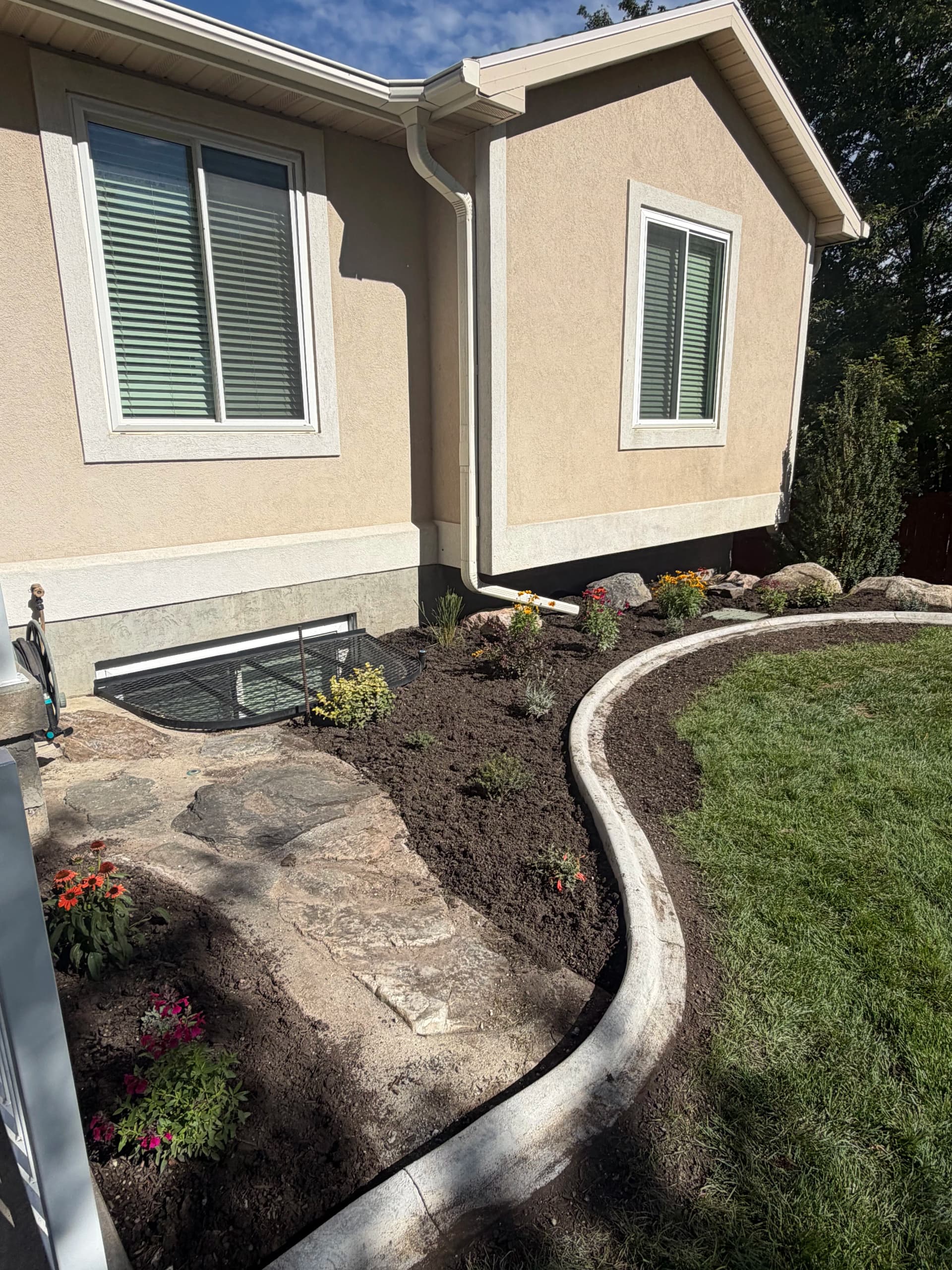
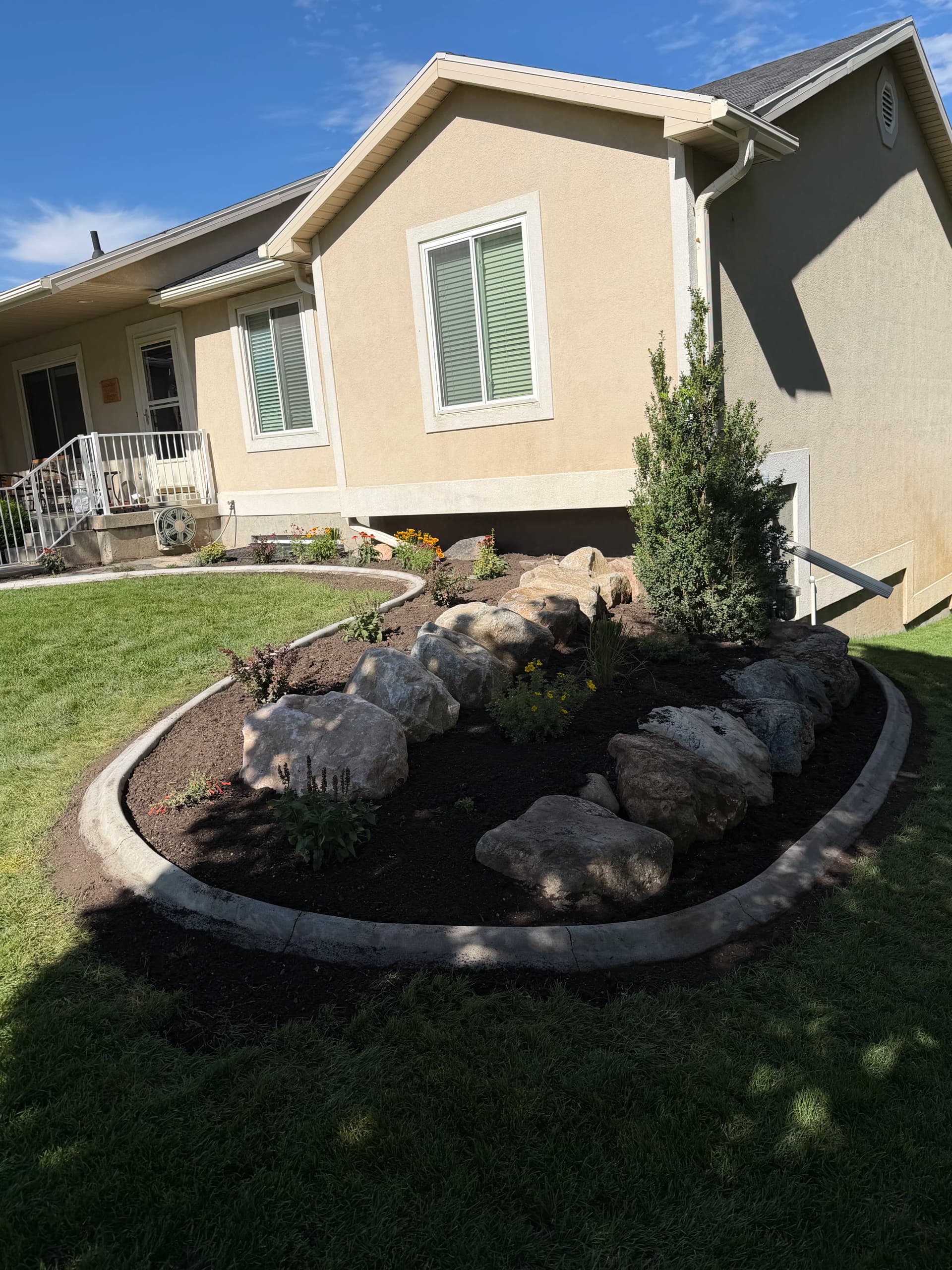
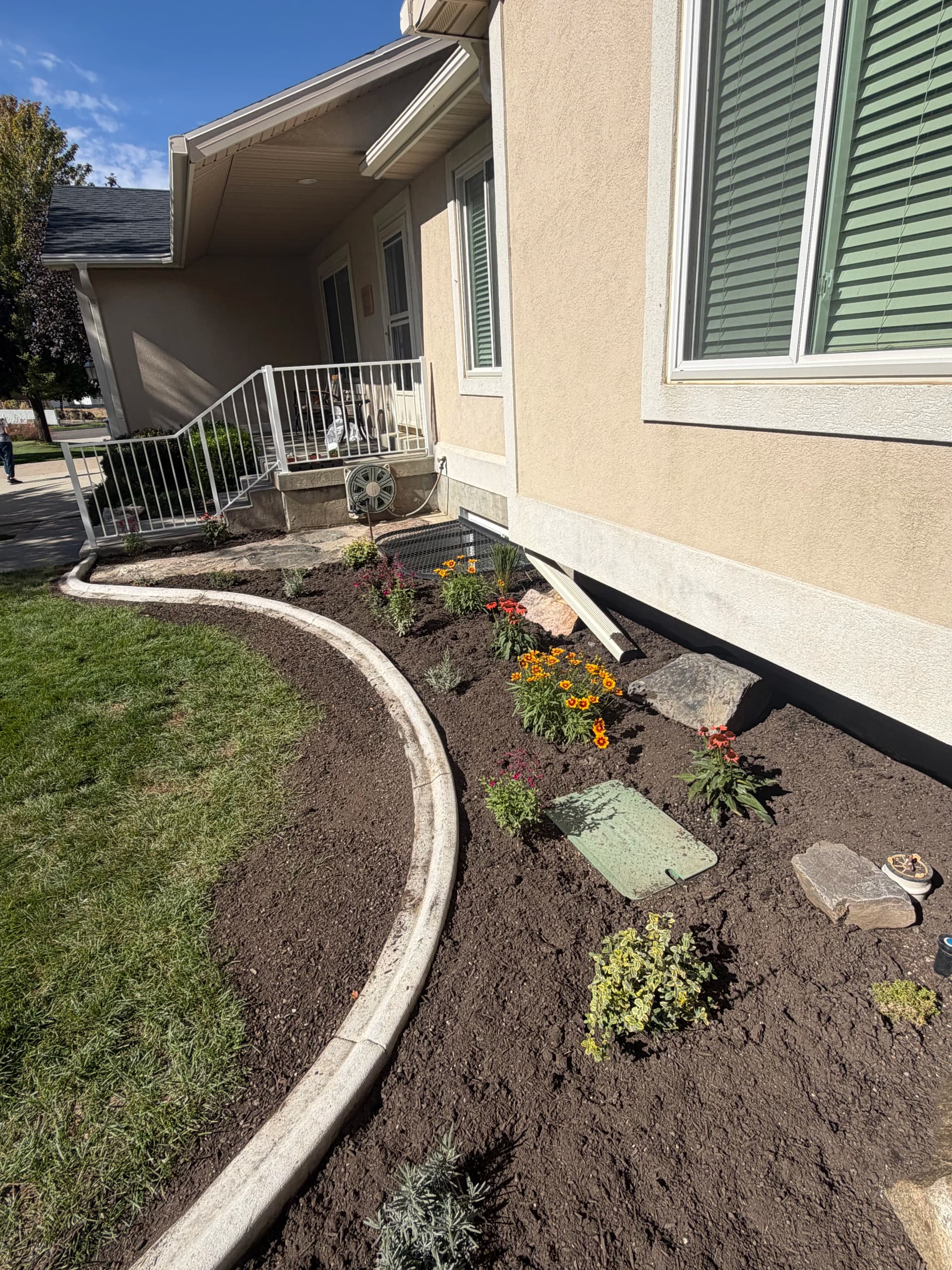
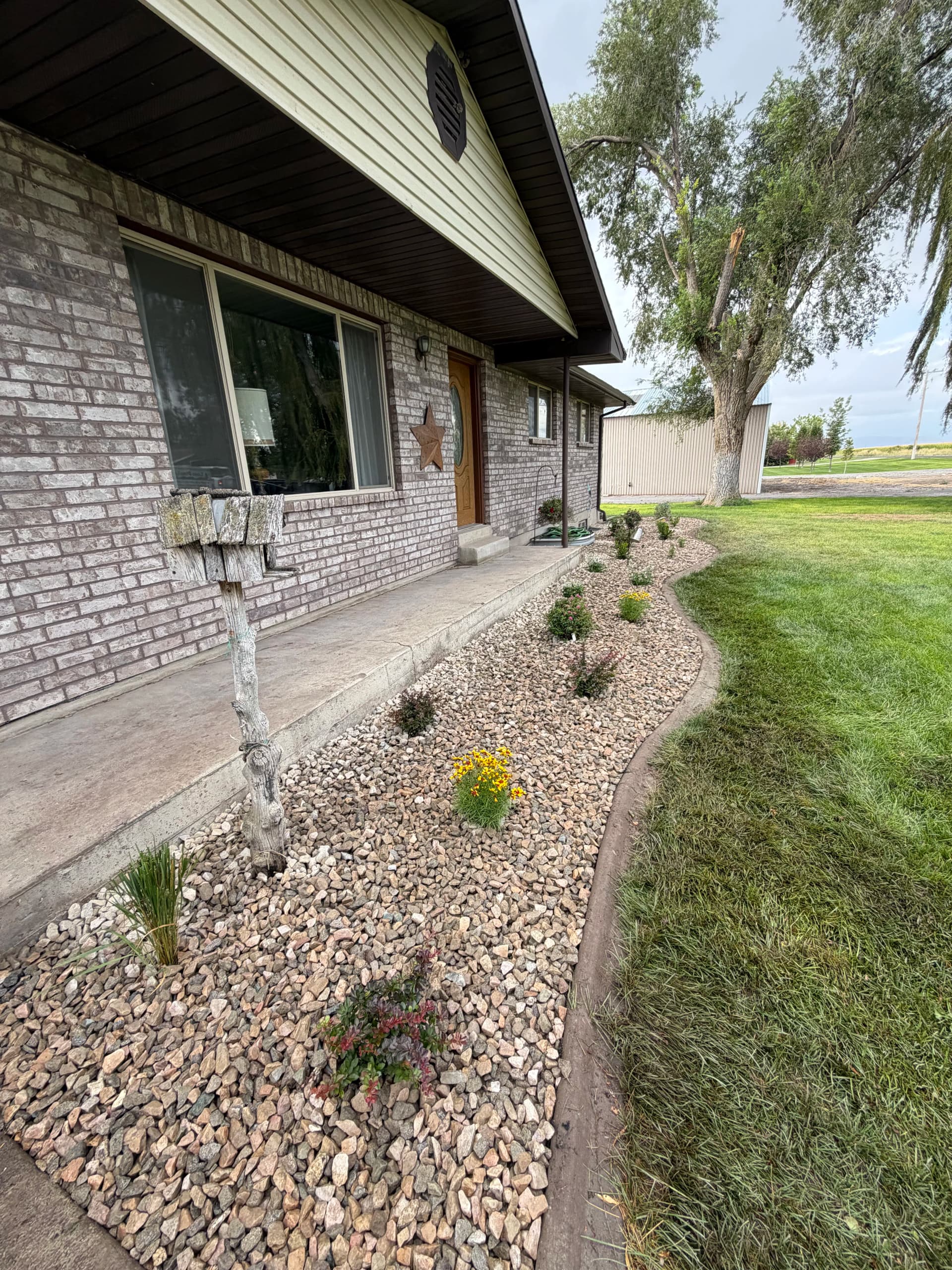
A lot of landscapes hit a point where the beds just look tired. Plants have overgrown, the soil is compacted, there's no real structure - it just looks like something nobody cares about anymore. That's usually when homeowners call us, and honestly, it's one of our favorite things to fix.
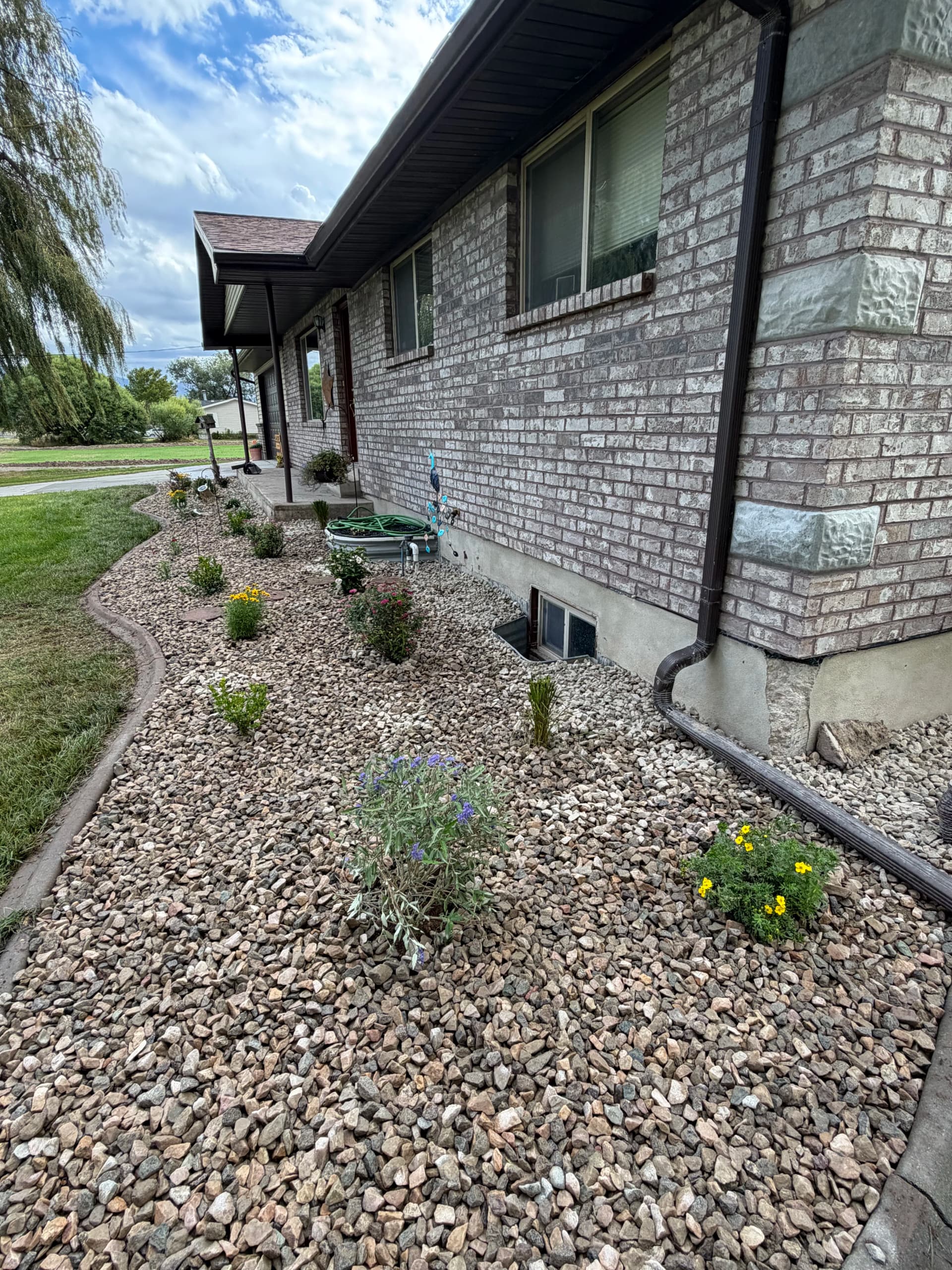
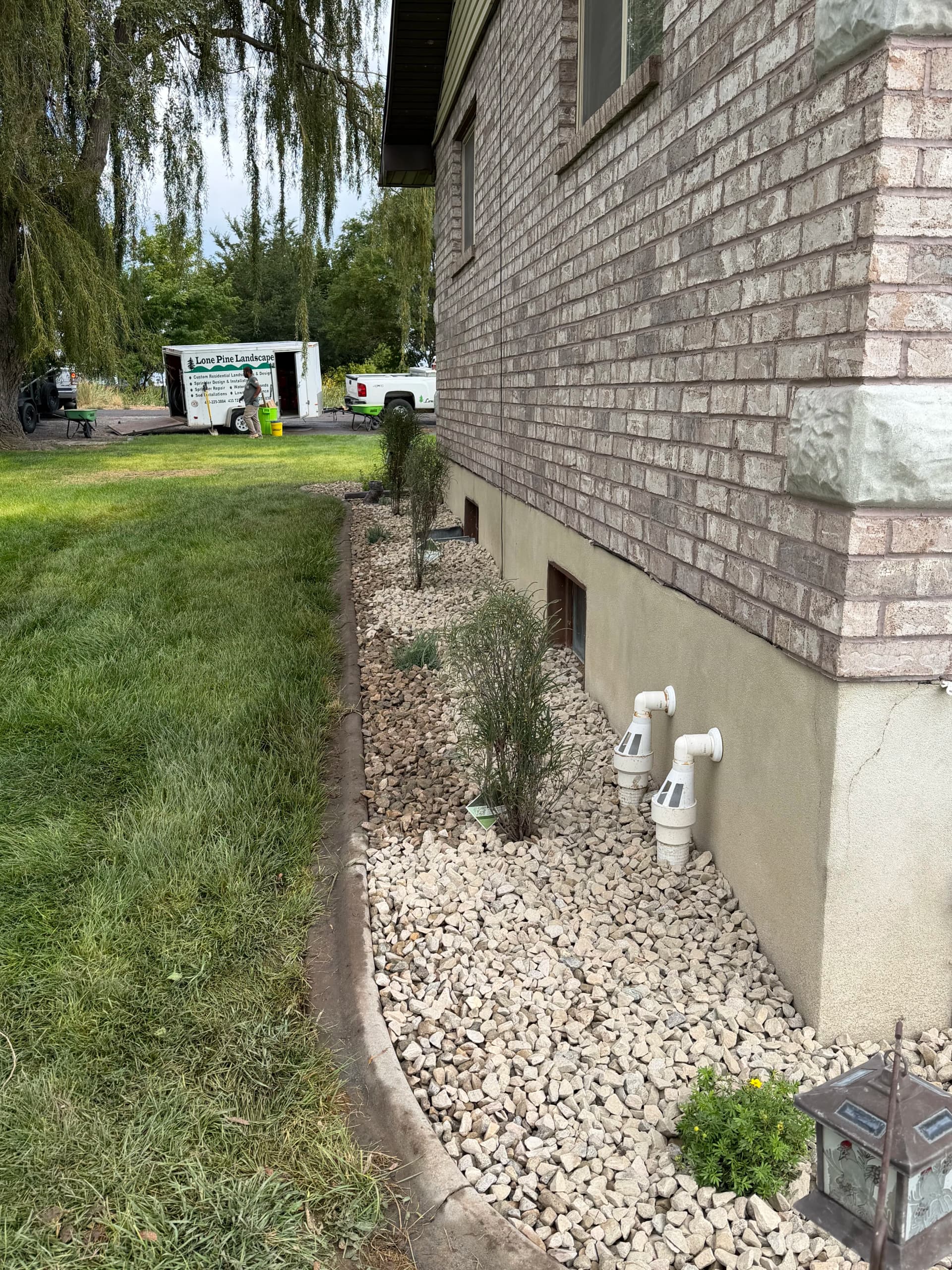
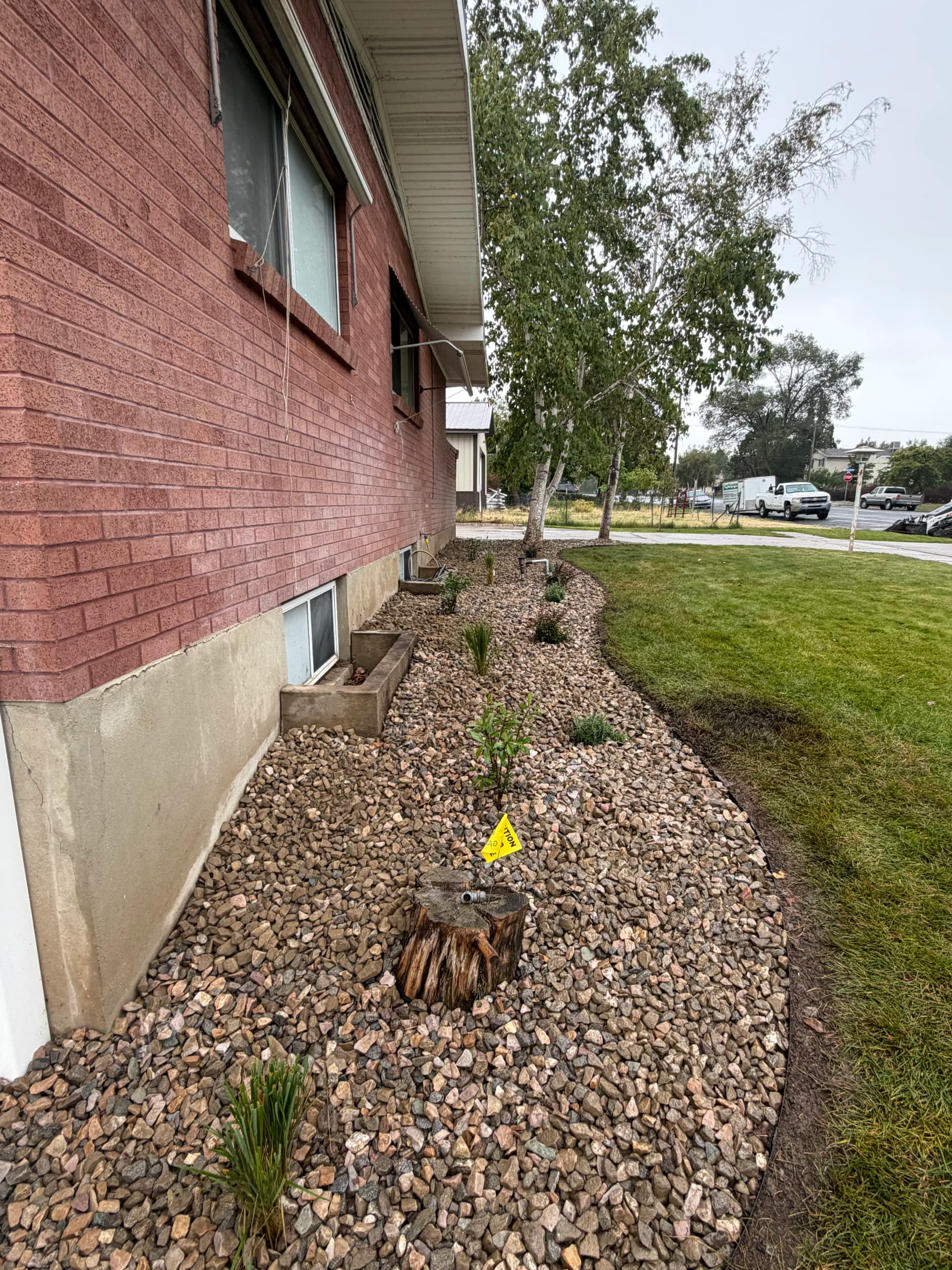
What we did here covers a couple of different styles, and that's kind of the point. One property got fresh mulch beds with curved concrete edging, boulder accents, and a mix of colorful flowering plants tucked in around the foundation. Clean lines, dark soil, and some good plant variety go a long way toward making a home look cared for. The other went with a gravel-based, low-water approach - river rock ground cover, drought-tolerant plants spaced out with room to fill in, and that same smooth concrete edging keeping everything contained. Two totally different looks, but the same idea behind both: give the beds a real design and stick to it.
That curved concrete edging is worth calling out specifically. It's one of those details that seems small but does a lot of heavy lifting. It gives the beds a defined boundary, keeps mulch or gravel from migrating into the lawn, and gives the whole yard a finished quality that's hard to get with plastic edging or nothing at all. It's a key part of our residential landscape design and installation work, and it's something we build into almost every bed project we do.
The gravel bed option is also a great fit for homeowners who want something that looks good without a lot of ongoing work. That's basically the idea behind zeroscaping and xeriscaping - using drought-tolerant plants and low-maintenance ground cover so you're not constantly watering, weeding, or replacing things every season. It's a practical choice, and it can look really sharp when it's designed well.
Whether you want rich dark mulch with flowers and boulders or a clean gravel bed with hardy plants, a flower bed redo doesn't have to be complicated. It just needs a solid plan and someone who knows what they're doing.